
The ultimate Kilimanjaro Packing List
To ensure your safety and comfort during your Mount Kilimanjaro adventure, it’s essential to pack the right gear and essentials. We’ve created a detailed Kilimanjaro packing guide to help you get fully prepared for your trek.
Climbing Kilimanjaro takes you through five distinct climate zones—ranging from the warm, tropical rainforest at the base to the icy, snow-covered summit. You’ll need to be ready for varying weather conditions, including sun, wind, and rain.
Our team provides tents, camping gear, meals, cooking equipment, and other communal supplies. Your personal gear will be packed in a duffel bag and transported by porters, while you’ll carry a daypack with your daily necessities during the hike.
Click here to download your printable Kilimanjaro packing checklist.
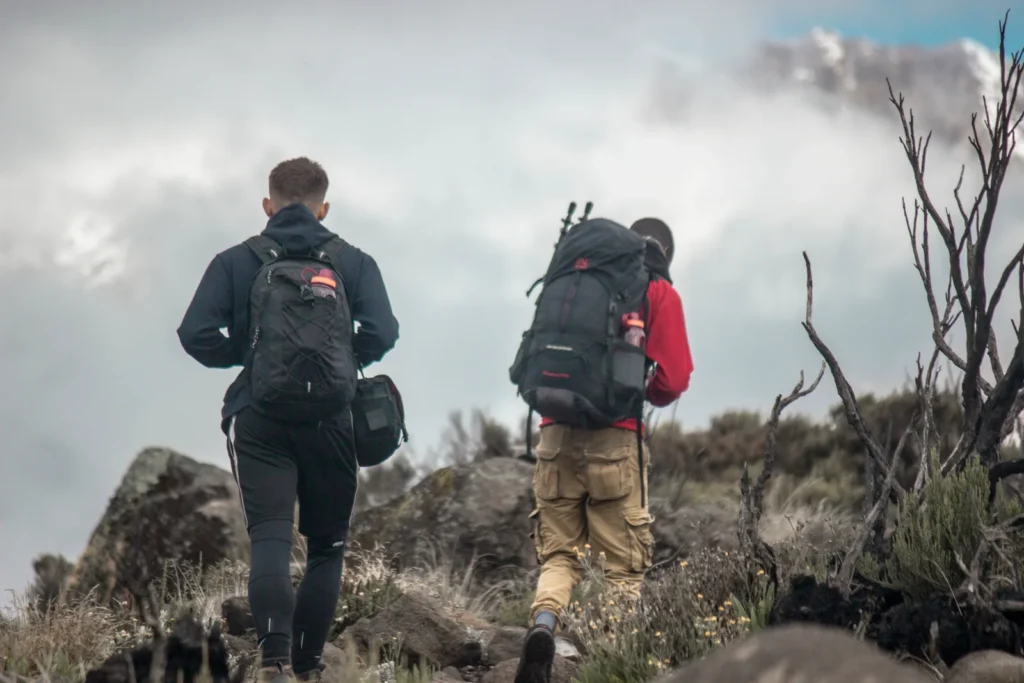
Climbing Mount Kilimanjaro is a once-in-a-lifetime adventure, but being properly prepared can make or break your journey. Whether you’re taking on the Machame Route or the Marangu Route, having a complete and well-organized Kilimanjaro packing list is essential for safety, comfort, and a successful summit.
To help you pack smart and climb with confidence, we’ve created the ultimate Kilimanjaro Packing List PDF — a free, downloadable guide that covers all the essential gear and clothing you’ll need.
Useful tips for Kilimanjaro Packing List - clothing and kit
Here are some helpful packing tips to prepare for your Kilimanjaro climb:
You can rent the necessary gear upon your arrival in Tanzania.
If you prefer not to carry all your climbing equipment to Tanzania, you can easily rent it directly from our shop upon arrival. Renting gear from us is a more budget-friendly option compared to buying new equipment.
For first-time climbers or those without their own gear, renting is a cost-effective solution, especially when you’re only using it for one trip. We are the only company in the region offering high-quality gear from trusted brands like The North Face, Marmot, and Red Fox, all available from our store—the largest in the Kilimanjaro region. All equipment is thoroughly cleaned and maintained, with our stock being updated twice a year to ensure it’s always in top condition.
Avoid buying the cheapest gear
You don’t need to break the bank on branded clothing and footwear, but it’s important not to opt for low-quality items, regardless of the appealing price. After all, your safety and comfort are on the line. Fortunately, there are many high-quality, budget-friendly alternatives available in today’s market.
Clothing for Kilimanjaro
During your Kilimanjaro trek, you’ll pass through four distinct climate zones: rainforest, moorland, alpine meadows, and Arctic desert. At the lower altitudes, the tropical rainforest is typically hot and humid, whereas the summit zone is characterized by snow, wind, and freezing temperatures. While daytime temperatures can be quite warm, they can drop to freezing at night.
Be sure to prepare for all of these varying conditions.
Jackets
For this journey, you’ll need to pack three different types of jackets:
A fleece jacket to serve as your insulation layer.
Fleece jackets are versatile—they can be worn alone or over a trekking shirt. They’re particularly useful in the evenings when you’re at camp. A fleece jacket is essential for your Kilimanjaro trek, as you’ll be relying on it throughout the journey.
For expeditions like Kilimanjaro, we recommend using fleece made from Polartec-200 fabric, as it offers the best insulation. Top brands for fleece jackets include The North Face, Red Fox, Mountain Hardwear, and Patagonia. Hooded fleece jackets are preferable, providing additional warmth and comfort. We suggest bringing 2-3 fleece jackets for your trip.
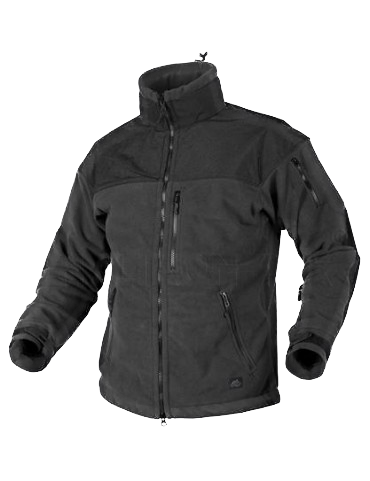
The top brands for fleece jackets on Kilimanjaro expeditions are The North Face, Red Fox, Mountain Hardwear, and Patagonia, as recommended by Clotilda Safaris.
A warm jacket or down jacket
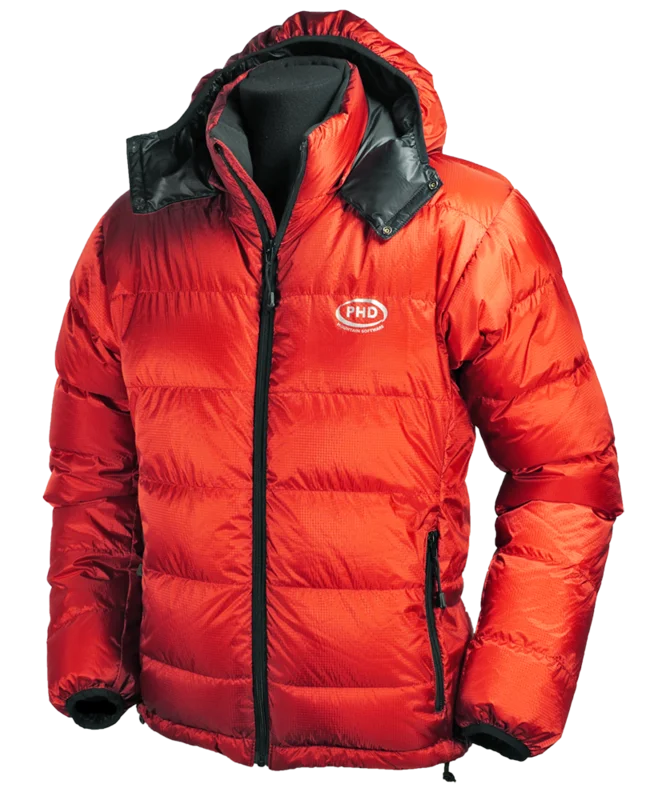
A warm jacket is essential for staying cozy during chilly evenings at camp and for the cold temperatures during your summit push. It’s a must-have piece of gear for your trip.
The jacket should strike a balance—neither too heavy nor too light—and should provide comfort in temperatures as low as -15°C (5°F).
Ensure that your jacket is hooded for extra warmth and protection.
Another key factor to consider is the waterproofing of your down jacket. Given that rain and snow are common on Mount Kilimanjaro, it’s best to choose a jacket with a water-resistant outer layer to shield you from light precipitation. In case of heavy rain or snow, you’ll need a separate rain jacket for additional protection.
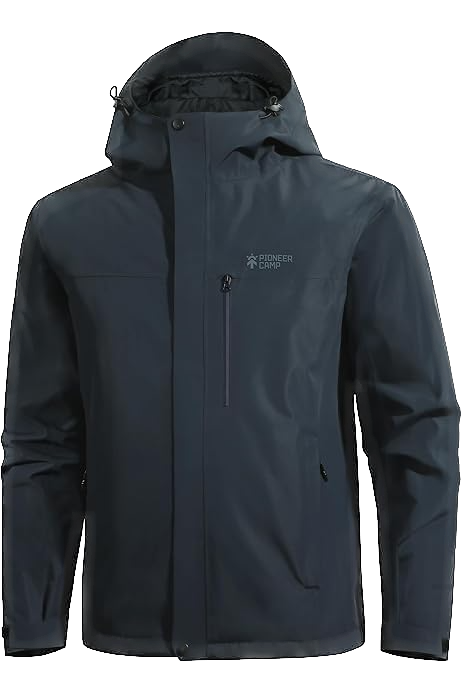
A membrane hard shell rain jacket (such as Gore-Tex or similar)
A durable hard shell rain jacket is a crucial piece of gear throughout your Kilimanjaro climb. From the early stages of your trek—especially routes like 7 Days Lemosho itinerary that begin at higher elevations—you’re likely to face sudden shifts in weather, including rain, wind, and lower temperatures. Having your rain jacket easily accessible in your daypack ensures you’re ready to react to changing conditions without delay.
This jacket isn’t just for protection from rain—it’s also your barrier against harsh mountain winds and damp, misty conditions before reaching the summit camp. Most days on the mountain, this will be your outermost layer, worn over your thermal base and insulating fleece.
Look for a jacket with features like adjustable cuffs, a drawstring hood, and ventilation zippers to help regulate body heat and provide maximum coverage. Materials like Gore-Tex, eVent, or other waterproof-breathable membranes are ideal.
Trousers
You’ll need a variety of trousers for this trip.
Trekking pants
High-quality trekking pants are typically sufficient for most of your Kilimanjaro adventure.
Even if you enjoy hiking in shorts, it’s essential to bring a pair of full-length trousers for the colder, high-altitude sections of the trail and for staying warm during cool evenings at camp.
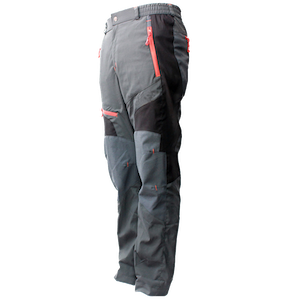
Waterproof membrane pants
High-quality trekking pants are typically sufficient for most of your Kilimanjaro adventure. particularly during the rainy season. When layered over your trekking pants, they offer effective protection from wind and rain, helping to keep you dry and comfortable throughout your climb.
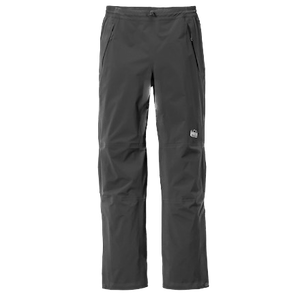
Insulated trousers or ski pants
Are a critical part of your Kilimanjaro gear list. You’ll need them during the summit push, where temperatures can drop significantly.
Look for pants that are water-resistant, fleece-lined for insulation, and reinforced with a hard shell layer to shield against wind and moisture. Ideally, they should keep you comfortable in temperatures below -15°C (5°F). If you’re not accustomed to cold weather, you’ll especially appreciate having these in the higher-altitude camps.
Hiking underwear and shirts
For your Kilimanjaro climb, pack around 5 to 6 pairs of regular underwear, along with 2 to 3 sets of thermal base layers. These are essential for insulation—one set for regular trekking days and a warmer set for summit night. Thermal underwear also makes sleeping more comfortable in the cold mountain environment.
Choose lightweight synthetic fabric for your everyday base layers, as it dries quickly and helps manage sweat. For summit night, opt for something warmer and more insulating—wool or wool blends are ideal.
Any reputable brand of thermal underwear should work well for your trek.
When it comes to shirts, you’ll need 3 to 4 short-sleeved and 2 long-sleeved options. Stay away from cotton, as it holds moisture and dries slowly. Instead, look for lightweight, breathable materials like polyester blended with spandex or nylon—these wick moisture efficiently and dry quickly.
Bags & Backpacks for hiking
Bringing reliable, high-quality bags is essential for your Kilimanjaro adventure. You’ll need two main types: a daypack, which you’ll carry during the hike with your daily essentials, and a duffle bag, which will be transported by your porter and hold the bulk of your gear.
Daypack
Your daypack is meant to hold the items you’ll need easy access to throughout the day—things like sunglasses, sunscreen, a rain poncho, a headlamp or flashlight, a water bottle or hydration flask, and a few snacks. It’s also a practical spot to keep your electronics, such as a camera or smartphone.
Keep your daypack as lightweight as possible; save bulkier items for other types of treks. Comfort is key, so ensure it fits your back well. We recommend trying it out on a short hike beforehand to confirm it’s the right fit for your Kilimanjaro climb.
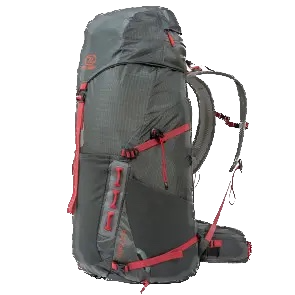
A porter will carry your main gear, with a weight limit of up to 15kg. You’ll be responsible for your own daypack—something in the 30–40 liter range is ideal.
While choosing a backpack please pay attention to the following:
- Your Kilimanjaro daypack should come equipped with a built-in rain cover, as weather conditions can change quickly and it’s essential to keep your gear dry.
- Side pockets are also valuable for storing trekking poles, water bottles, or any small items you want within quick reach.
- Look for a pack with a sturdy hip belt to help distribute weight more evenly and reduce strain on your shoulders.
- Ideally, the backpack should also support a hydration bladder or camel bag for easy access to water while hiking.
For quality and durability, we recommend hiking daypacks from brands like Black Diamond.
A well-designed backpack should feature both a shoulder and hip belt to help evenly distribute weight, reducing pressure on your shoulders and back.
Footwear
one of the most crucial items on your Kilimanjaro packing list, so it’s important to be meticulous and choose wisely. Selecting the right hiking boots and/or trekking sneakers is essential, as poor choices can lead to painful issues like blisters, corns, and even broken toenails.
For this trek, you’ll need high-quality hiking boots, trekking sneakers (optional), and trekking socks to ensure comfort and protection throughout your journey.
Hiking boots
Selecting the right hiking boots is arguably the most important decision you’ll make for your Kilimanjaro trek. With so many options available, it can be challenging to choose the perfect pair.
Ideally, your hiking boots should meet the following criteria:
Ankle support: Choose boots with strong ankle support to prevent injuries and provide stability during the trek.
Medium weight: Opt for boots that are not too heavy. Heavier boots can lead to discomfort and tire your feet more quickly.
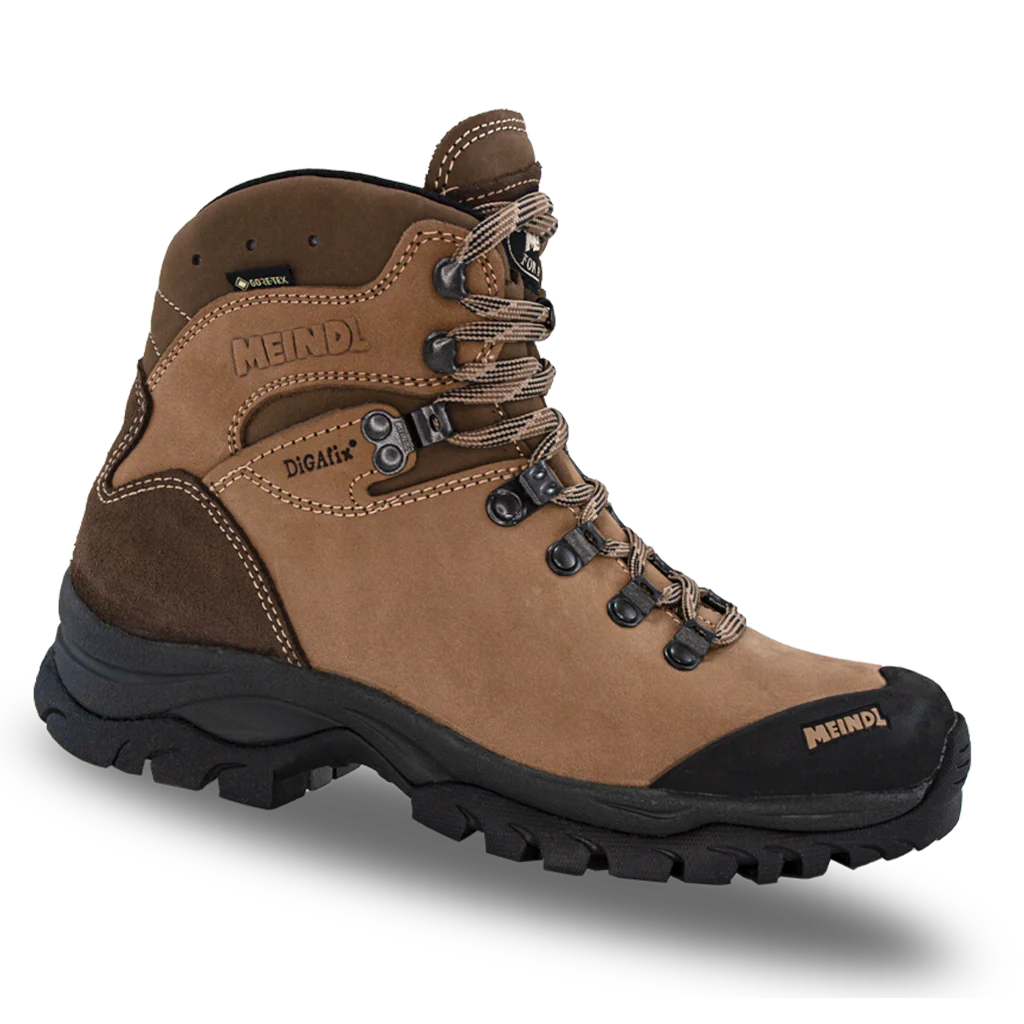
Your hiking boots must be waterproof to ensure your feet stay dry throughout the trek, particularly in the summit area if you’re climbing during the rainy season. Additionally, wearing high-quality trekking socks offers extra protection and comfort, so it’s always a good idea to bring a reliable pair.
For added comfort and security, choose boots with laces that fix securely to speed hooks. This feature helps keep the boots snug, preventing discomfort.
It’s crucial to break in your boots before the trek. Wearing brand-new boots on Kilimanjaro can lead to sore feet, blisters, and calluses. We recommend wearing your boots for 5-6 days prior to your climb, including at least two long hikes, to ensure they’re properly broken in and ready for the journey.
Some of the top brands of hiking boots suitable for Kilimanjaro include La Sportiva, Zamberlan, The North Face, Asolo, Salomon, and Scarpa. Any of these will perform well on the mountain.
If you don’t want to buy new boots, you can hire a high-quality pair from our Kilimanjaro rental shop for just USD 45 per trip. With over 100 pairs of boots available, renting is a more cost-effective option compared to purchasing new boots, which can cost between USD 200-400. Plus, it saves on extra luggage weight if you don’t plan to hike regularly after your Kilimanjaro adventure.
Trekking socks
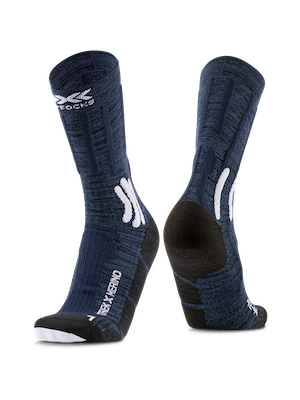
Trekking socks are essential for a trek like Kilimanjaro. Avoid packing cotton socks, as they trap moisture and can lead to painful blisters.
Instead, woolen socks are an excellent choice for Kilimanjaro. They offer superior moisture-wicking properties, keeping your feet dry and comfortable. Bridgedale is a recommended brand known for high-quality trekking socks.
Essential Gear Checklist
🧥 Clothing (Layering is Key)
- Base Layers (thermal tops & bottoms)
- Insulated Jacket (down or synthetic)
- Waterproof Shell Jacket (GORE-TEX recommended)
- Waterproof Pants
- Fleece Jacket or Softshell
- Trekking Pants
- Moisture-wicking T-shirts
- Thermal Underwear
- Sports Bra & Underwear
- Warm Hat
- Neck Gaiter or Buff
- Gloves (liner and insulated)
- Sun Hat or Cap
🧦 Footwear
- Hiking Boots (well broken-in, waterproof)
- Camp Shoes/Sandals
- Gaiters
- Wool or Synthetic Hiking Socks (4–5 pairs)
🏕️ Gear & Equipment
- Daypack (20–30L) with rain cover
- Duffel Bag (90–100L) (carried by porters)
- Sleeping Bag (rated to -10°C/14°F or lower)
- Headlamp (with extra batteries)
- Trekking Poles
- Water Bottles and/or Hydration System (3–4L total)
- Sunglasses (UV-protected)
🧼 Toiletries & Health
- Sunscreen (SPF 50+)
- Lip Balm (with SPF)
- Wet Wipes
- Toilet Paper
- Hand Sanitizer
- Toothbrush & Toothpaste
- Personal Medications
- First Aid Kit
- Altitude Sickness Medication (Diamox, if prescribed)
🧾 Documents & Money
- Passport + Visa
- Yellow Fever Certificate
- Travel Insurance Documents
- Cash (USD in small bills)
- Credit/Debit Card
🔌 Optional Extras
- Power bank / solar charger
- Camera / GoPro
- Snacks / energy bars
- Journal & pen
- Travel pillow
- Book or Kindle
Visit for informations https://www.tanzaniaparks.go.tz/nationalparks/kilimanjaro

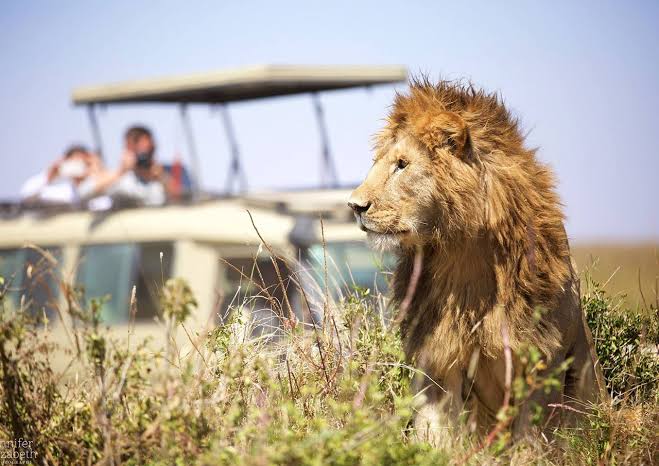
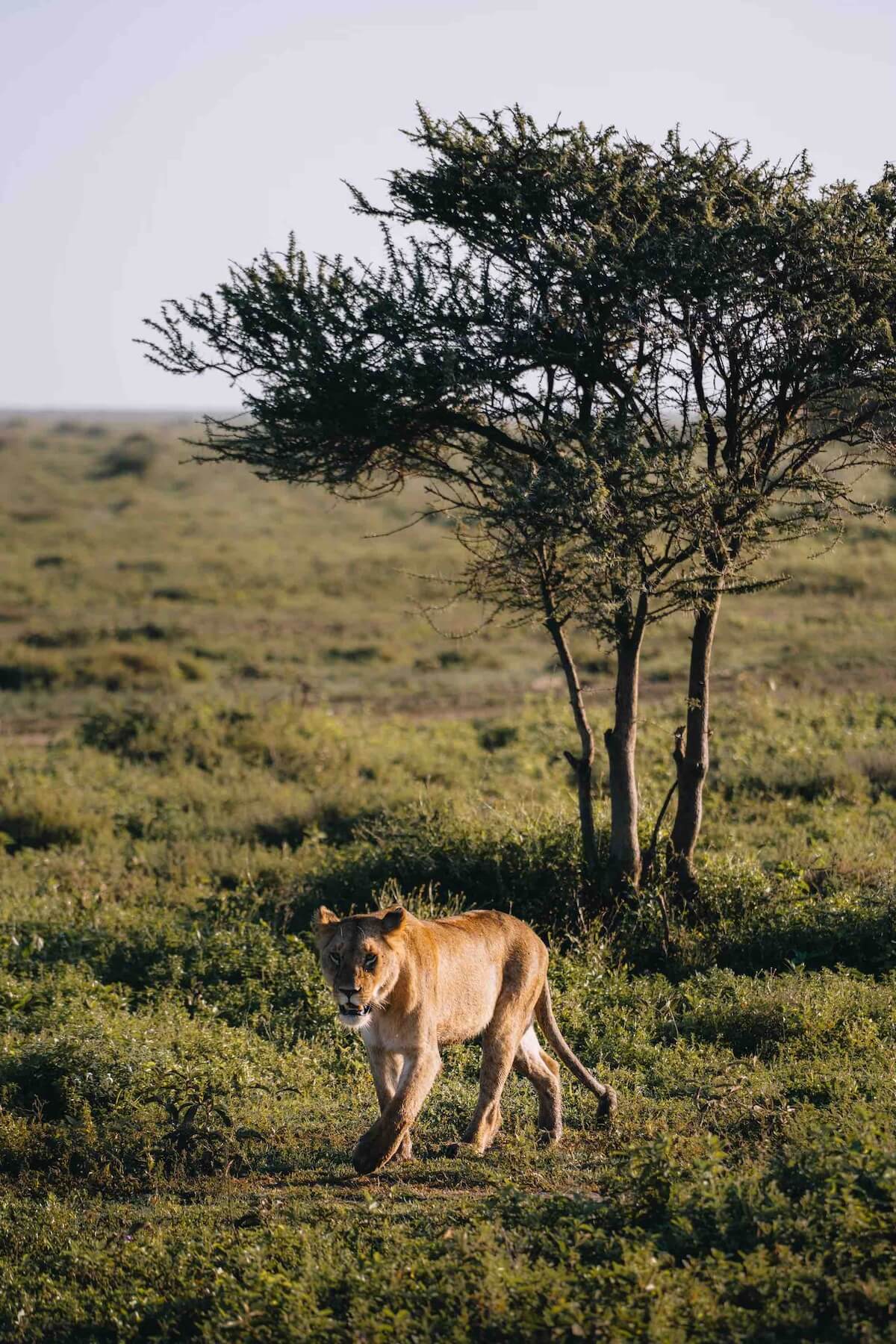
“This was the most unforgettable experience of my life! I captured stunning and rare wildlife photos, with incredible sightings that left me in awe. The expert guidance from our guide helped me improve my photography skills, and my memory cards were completely full! Beyond the safari, I loved visiting a local Maasai village, where I had the chance to photograph the vibrant culture, daily life, and the hardworking women in the fields. Every moment felt authentic and deeply inspiring. I can’t wait to return to Tanzania and explore even more breathtaking locations!”
Plan your Tanzania adventure
Looking for a Custom Safari Adventure?
From the moment you begin planning your adventure with Clotilda Safaris, we’re here to guide you through every detail, creating a personalized itinerary tailored to your preferences and level of exclusivity. While our remote team manages bookings, transfers, and activity arrangements, our dedicated ground team is available 24/7 to assist with any needs, ensuring a seamless experience from start to finish.