
Tarangire National Park
Northern Tanzania
Destination
Overview
Tarangire National Park
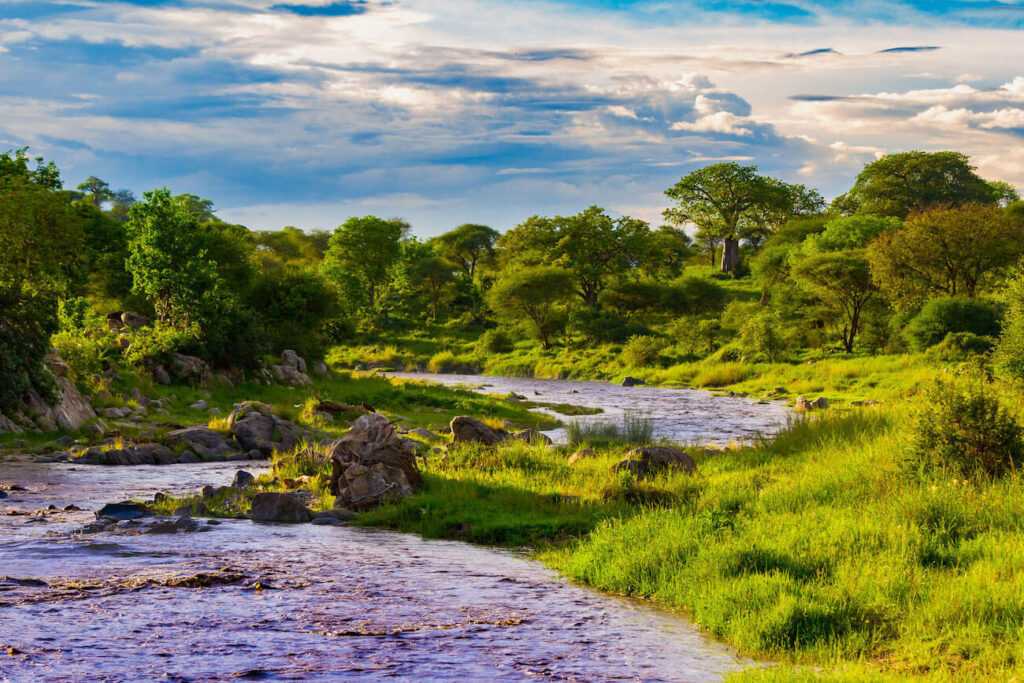
Tarangire National Park is one of northern Tanzania’s most scenic and wildlife-rich safari destinations, best known for its large elephant herds, iconic baobab trees, and diverse landscapes. Located just a short drive from Arusha, Tarangire forms part of Tanzania’s famous Northern Safari Circuit, alongside Serengeti National Park, Ngorongoro Conservation Area, and Lake Manyara.
Covering approximately 2,850 square kilometers, Tarangire National Park offers a more peaceful and uncrowded safari experience compared to other popular parks. Its open savannahs, riverine woodlands, seasonal swamps, and rolling hills create ideal habitats for a wide variety of wildlife, making it a perfect destination for both short and extended Tanzania safaris.
high number of scenic baobab trees
- Location: Northern Tanzania
- Area: 2,850 km²
- Established in 1970 in Tanzania
Wildlife in Tarangire National Park
Tarangire is internationally recognized as one of the best elephant safari destinations in Africa. During the dry season, hundreds of elephants can be seen gathering along the Tarangire River, providing incredible photographic and wildlife-viewing opportunities.
In addition to elephants, the park is home to:
- Lions, leopards, and cheetahs, often seen resting under acacia trees or stalking prey
- Buffaloes, giraffes, zebras, wildebeest, impalas, elands, and waterbucks
- Rare species such as fringe-eared oryx and gerenuk
Tarangire also boasts exceptional birdlife, with over 500 bird species, including ostriches, kori bustards, hornbills, kingfishers, and birds of prey. This makes the park a top destination for birdwatching safaris in Tanzania.
Things to Do in Tarangire National Park
Game Drives
Game drives in Tarangire National Park offer outstanding wildlife viewing throughout the year. Morning game drives provide the best chance to spot predators, while afternoon and sunset game drives reveal dramatic lighting, active wildlife, and beautiful landscapes.
Birdwatching Safaris
Thanks to its rich bird diversity, Tarangire is ideal for bird lovers. Seasonal wetlands attract migratory birds, while resident species are present year-round.
Photography Safaris
Tarangire’s massive baobab trees, open plains, and wildlife-rich riverbanks create stunning backdrops for photographers. The park is especially popular for elephant photography and landscape shots.
Luxury Safari Lodges & Tented Camps
Tarangire offers a variety of accommodations, from luxury lodges overlooking the river to intimate tented camps nestled in the wilderness. Guests enjoy personalized service, panoramic views, and close proximity to wildlife.
How to Get There
Tarangire National Park is easily accessible by road from Arusha, making it ideal for day trips, short safaris, or combined multi-park itineraries. It is commonly paired with Ngorongoro Crater and Serengeti National Park for a complete northern Tanzania safari experience.
Best Time to Visit Tarangire National Park
Tarangire is a year-round safari destination, but experiences vary by season:
- Dry Season (June–October): Peak wildlife viewing as animals concentrate around the Tarangire River and permanent water sources
- Green Season (November–May): Lush landscapes, fewer visitors, excellent birdwatching, and beautiful photography opportunities
Each season offers a unique perspective of Tarangire’s natural beauty.
For information about Best Things To Do in Tarangire National Park Visit https://www.tanzaniatourism.go.tz/
Tanzania Safari Packages
Request Your Free Safari Quote
Experience the wildlife and landscapes of Tarangire National Park firsthand.
👉 Request a Free Quote to plan your personalized Tarangire safari today!